Preservation
Keep what is there.
Preservation focuses on maintaining and repairing existing historic material while limiting change.

Keeping what matters. Building what comes next.
Historic preservation is not about freezing a building in time. It is about understanding what makes it worth keeping, protecting that character, and preparing it for the next chapter.
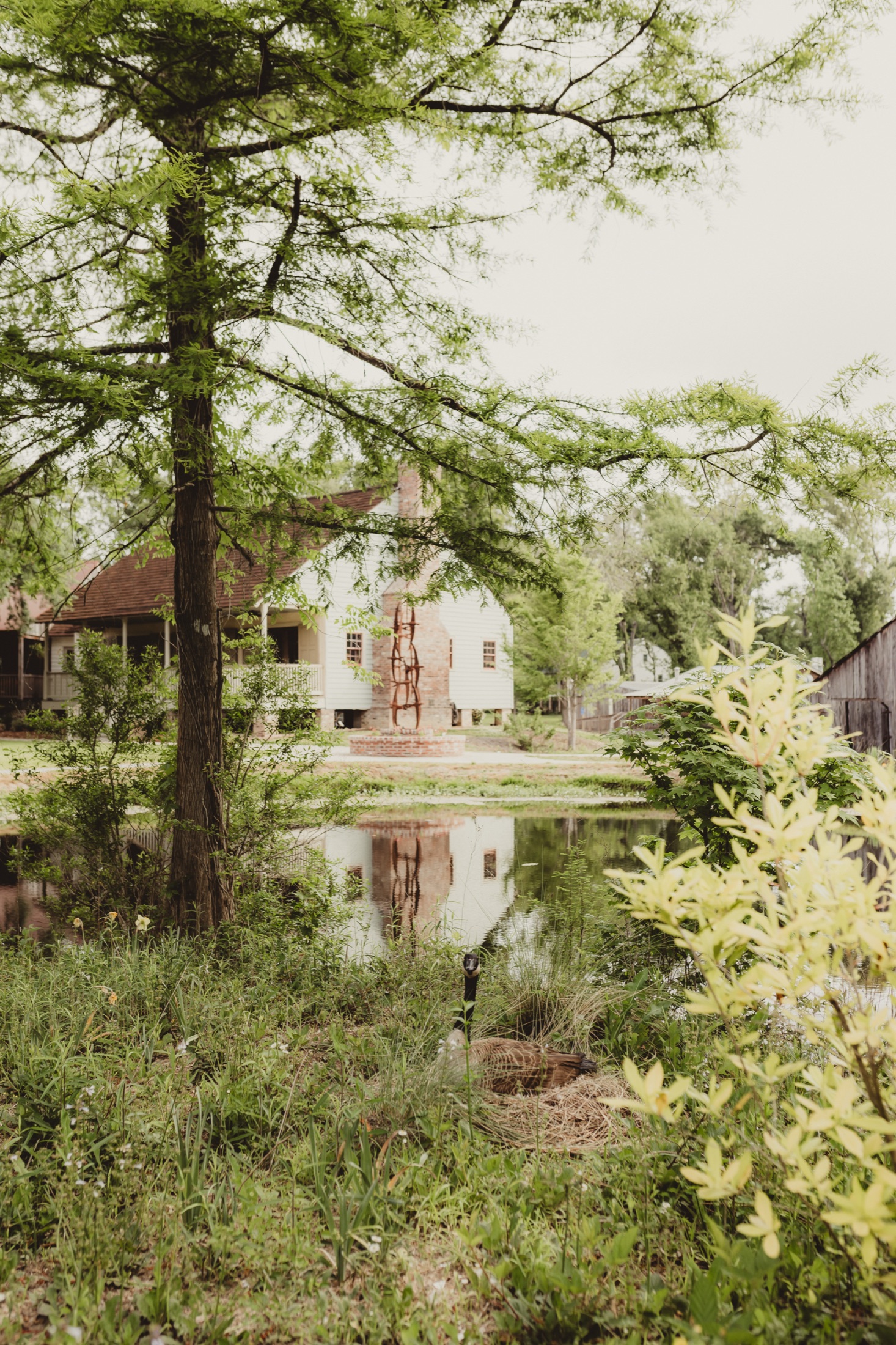
Not every old building needs the same treatment. The right approach depends on what survives, what matters, what has changed, and how the building needs to function today.
Before construction begins, it helps to understand the four treatment approaches commonly used in historic preservation work.
Keep what is there.
Preservation focuses on maintaining and repairing existing historic material while limiting change.
Keep the character. Make it useful.
Rehabilitation allows a historic building to serve a continuing or new use while retaining the features that communicate its character.
Return to a specific time.
Restoration depicts a property as it appeared during a particular period by retaining material from that period and removing or recreating selected later changes.
Re-create what no longer survives.
Reconstruction uses new construction to depict the form and appearance of a historic feature or building that is no longer present.
What does this building need us to keep?
An older building usually has more to tell you than a new set of drawings can show.
Before removing walls, replacing windows, or rebuilding details, the existing building should be understood as clearly as possible.
Look at how it was built, how it has changed, and which parts appear original or significant.
Photographs, measurements, drawings, and condition notes become valuable once work begins.
Not every alteration or material has the same historic significance.
Local districts, tax-credit programs, easements, and other requirements can affect how work should be planned.
Hidden conditions are common in older buildings. The project should allow room for informed decisions when they appear.
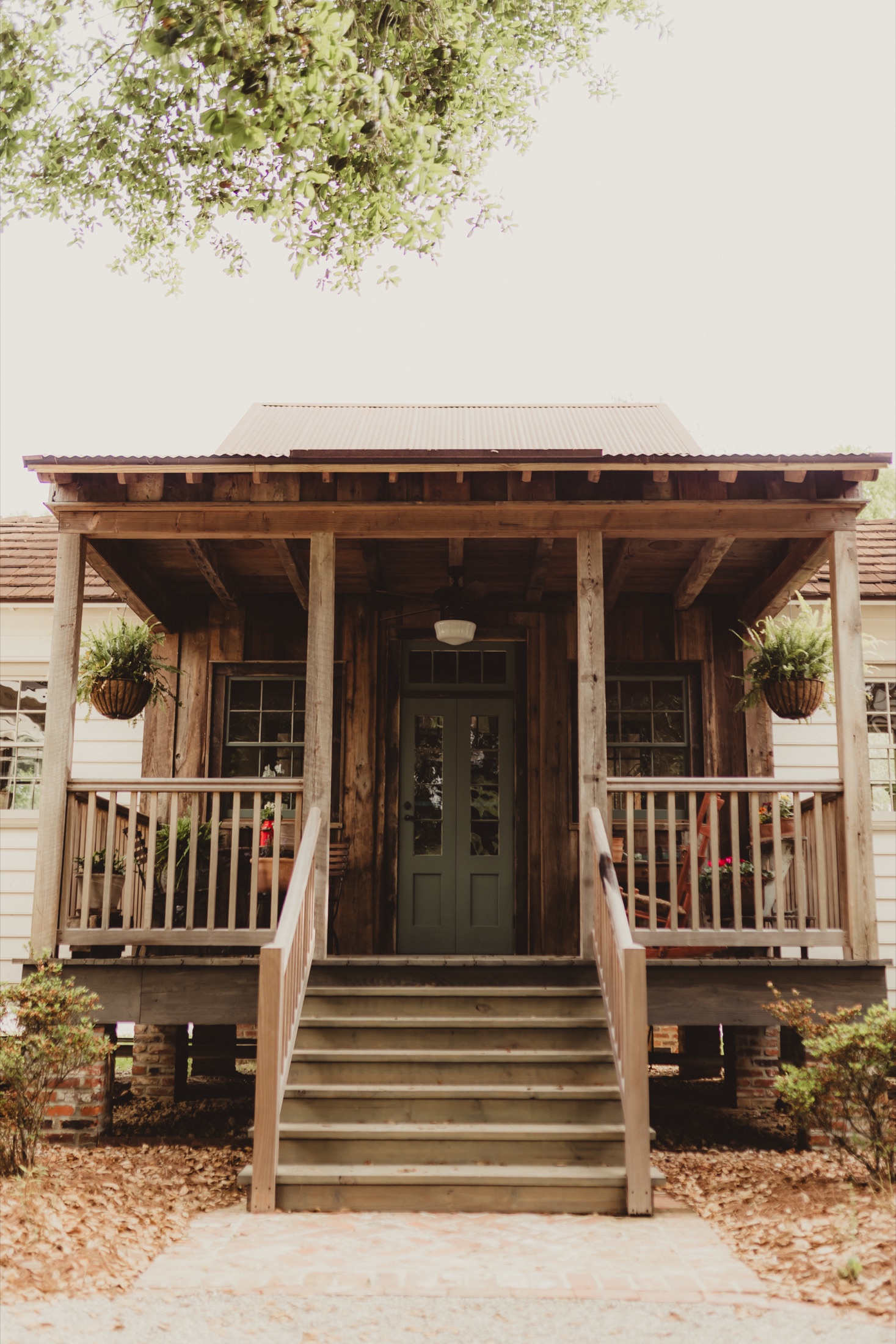
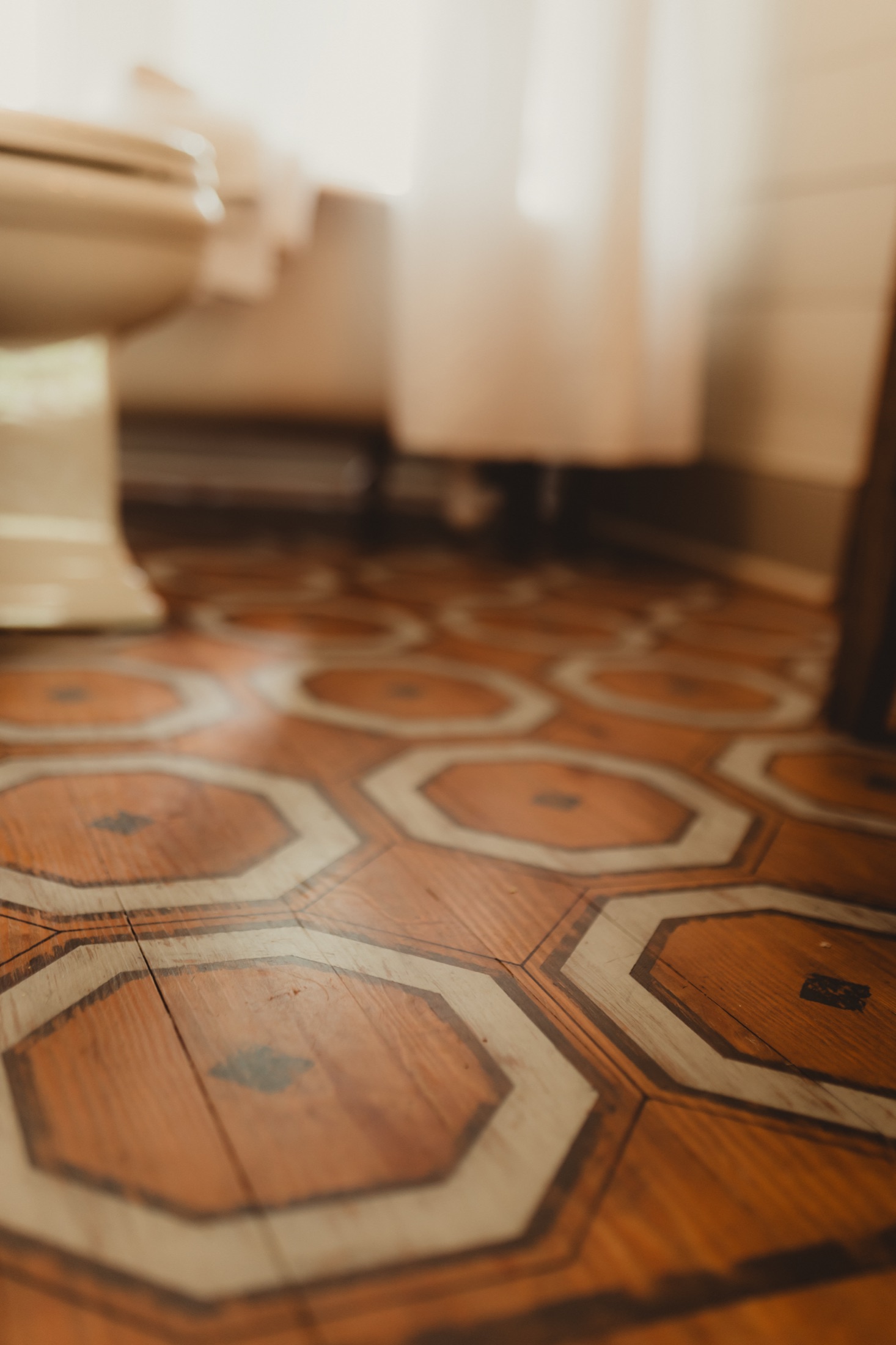
Keep. Repair. Replace only when necessary.
Original openings, sash, doors, hardware, shutters, and trim often contribute heavily to the character of a historic building.
Weatherboards, porch components, brackets, columns, fascia, and decorative woodwork should be evaluated before wholesale replacement.
Baseboards, casing, mantels, paneling, cabinetry, and profiles help define the scale and period of an interior.
Historic wood floors can often be repaired, patched, refinished, or selectively replaced instead of completely removed.
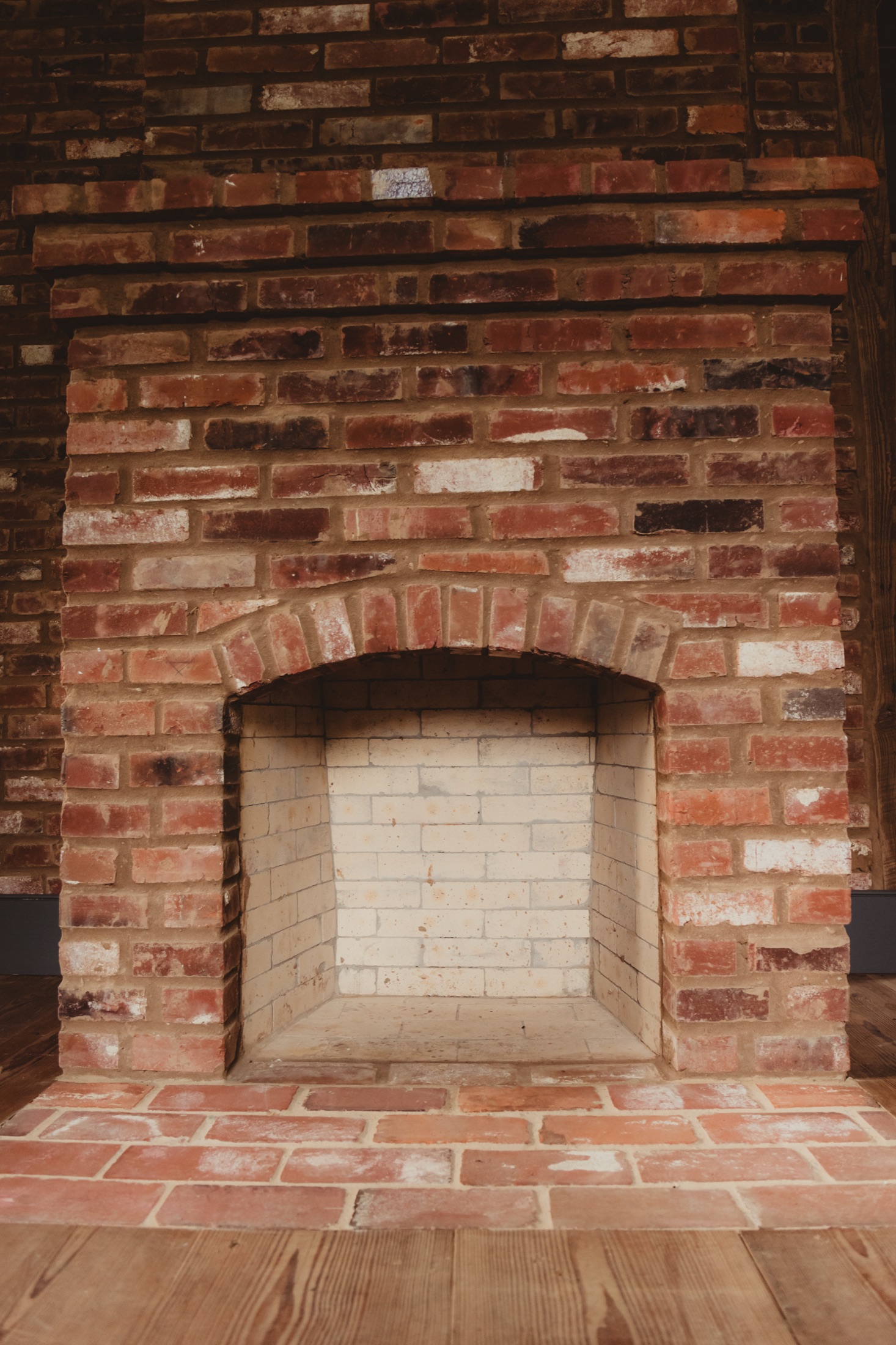
Brick and masonry repairs require attention to compatible materials and the cause of deterioration, not only the visible damage.
Older plaster, wall finishes, and decorative elements can often be stabilized or repaired when the underlying problem is addressed.
Understand the property, the owner's goals, and what is already known about the building.
Review visible conditions, existing documentation, previous alterations, and areas that may require further investigation.
Define what should be preserved, repaired, removed, rebuilt, or introduced.
Open the building carefully enough to learn from what is behind the visible finishes.
Coordinate new work with existing construction while protecting material that is intended to remain.
When unexpected conditions appear, document them and make deliberate decisions before covering them back up.
Finish the project with attention to both the historic building and the quality of the new work introduced into it.
Historic buildings in Louisiana have been shaped by climate, materials, construction traditions, and generations of use.
That means preservation here is not only an architectural question. Water, humidity, ventilation, pests, previous repairs, additions, and the way a building meets the ground can all influence what happens next.
Find where it comes from before repairing what it damaged.
Older assemblies and modern systems need to work together rather than against one another.
Historic wood, brick, plaster, and finishes can behave differently than newer products.
Many older buildings contain decades of alterations, repairs, and concealed construction.
Some historic rehabilitation projects may qualify for federal or Louisiana incentives. Those programs have specific eligibility, documentation, review, and construction requirements.
Mahoney Group does not determine tax-credit eligibility. Property owners should confirm the applicable program requirements with the appropriate preservation agencies and tax professionals before relying on an incentive.
The federal historic rehabilitation program provides a 20% income-tax credit for qualifying rehabilitation of certified historic structures used for income-producing purposes.
Owner-occupied private residences do not qualify for the federal rehabilitation credit.
National Park Service ↗︎Louisiana offers historic rehabilitation incentive programs administered through the state's Division of Historic Preservation.
Program requirements and availability can change, so owners should verify current eligibility and application requirements before work begins.
Louisiana DHP ↗︎Local approval, historic-district approval, and tax-credit approval are not necessarily the same thing.
The best preservation work brings the right people into the conversation at the right time.
Depending on the property, that may include the owner, contractor, architect, engineer, preservation consultant, specialty trades, and reviewing agencies.
The contractor is often closest to the hidden conditions once work begins. That makes clear communication with the rest of the team essential.
Document what is found.
Ask before assuming.
Solve the cause, not only the symptom.
Keep the owner informed.
Protect the work that is staying.
Historic preservation is the work of protecting the character, materials, craftsmanship, and story of an older building while preparing it for continued use. Depending on the property and the goals of the owner, that may involve preservation, rehabilitation, restoration, or reconstruction.
No. Restoration is only one approach. Many historic properties are better served by rehabilitation, which allows a building to remain useful while preserving the features and character that make it significant.
When they are sound and repairable, keeping original material is often preferable. Replacement becomes appropriate when material has failed, is unsafe, or cannot reasonably be repaired. The decision should be based on condition, significance, performance, and the larger goals of the project.
Yes. Historic buildings can accommodate modern kitchens, bathrooms, electrical systems, mechanical systems, storage, and changing family needs. The challenge is integrating those improvements without unnecessarily erasing the character of the original building.
Older buildings often reveal conditions that could not be fully understood before work began. The right response is to document what was found, understand the cause, discuss the options with the owner and design team, and make a deliberate decision before covering the work back up.
Some qualifying projects may be eligible for federal or Louisiana historic rehabilitation incentives. Eligibility depends on the property, its use, the work being proposed, and the requirements of the applicable program. Property owners should confirm eligibility with the appropriate agencies and tax professionals before relying on an incentive.
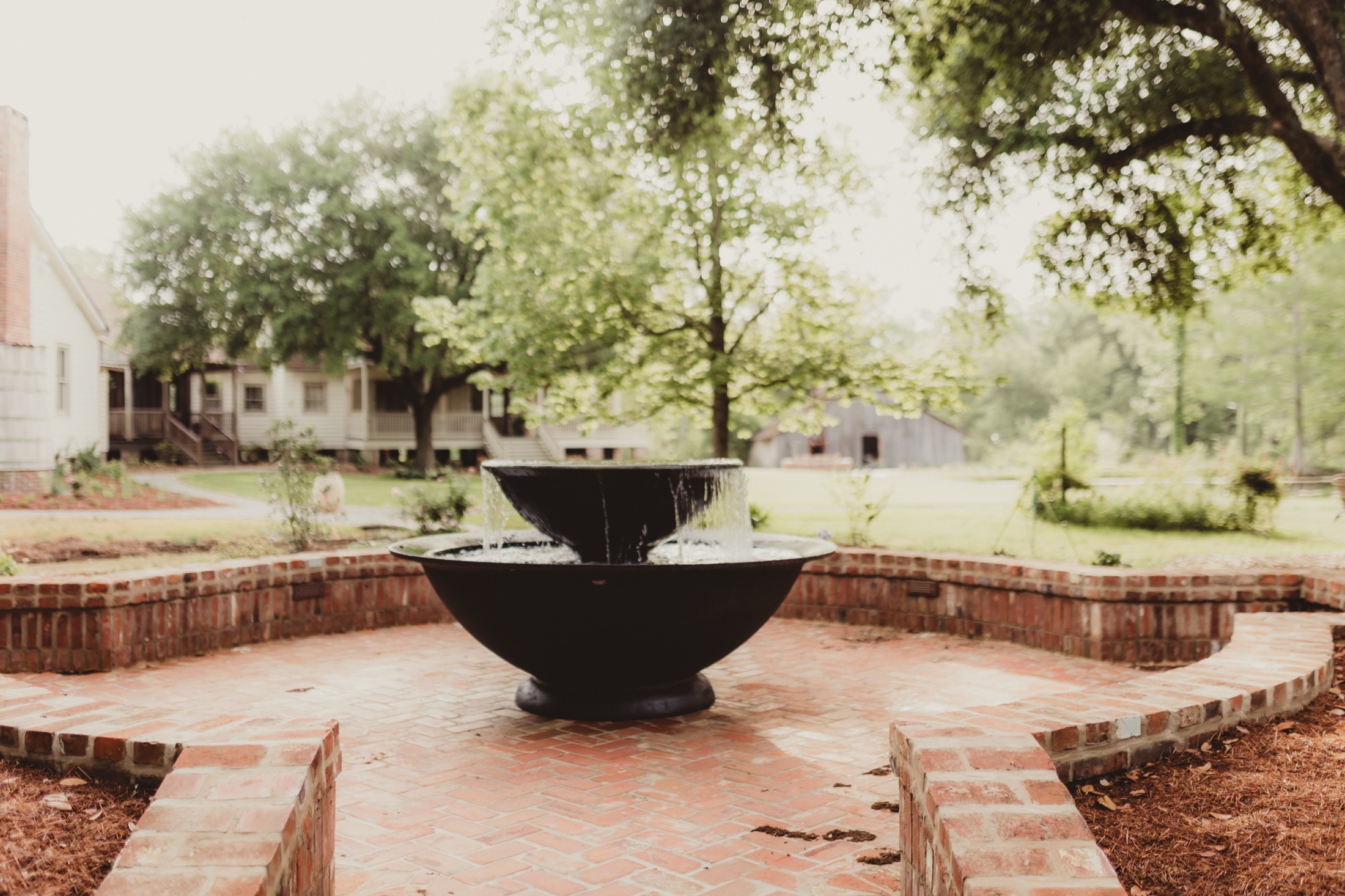
Our work at BeauBassin Farm & Gardens in Sunset, Louisiana grew from one small assignment into a much larger construction relationship centered around a property anchored by the historic 1835 Alexis LaTour home.
Read the Case Study ↗︎Start a Conversation
The Mahoney Group renovated our charming home last year, bringing light and character to this old house! Mark Mahoney was exemplary with his knowledge, craft, and workmanship. He strove for perfection and worked with care on our home! We love the Mahoney Group!